When choosing a vintage-style wood rolling pin, look for durable hardwood, smooth rolling surfaces, and comfortable handles that reduce fatigue. This guide highlights five top picks that suit different bakers—from home cooks seeking reliable pies to bakers chasing restaurant-grade precision. Best for pizza and pastry enthusiasts, these pins emphasize longevity, control, and classic design. Below is a quick buying table to compare key aspects at a glance.
| Product | Wood Type | Length | Best For |
|---|---|---|---|
| Farberware Classic Wood Rolling Pin | Hardwood | 18 in | Even dough, general baking |
| TUSIWIT Classic Sapele Rolling Pin | Sapele Wood | 17 in | Delicate pastry to pasta dough |
| HelferX Beech Wood Rolling Pin | Beech | Varies (standard) | Versatile kitchen use |
| Amazon Basics Wooden French Rolling Pin | Acacia | 17 in | Nonstick, precise control |
| Aisoso French Rolling Pin | Natural wood | 17.7 in | Fondant, pies, cookies |
Farberware Classic Wood Rolling Pin
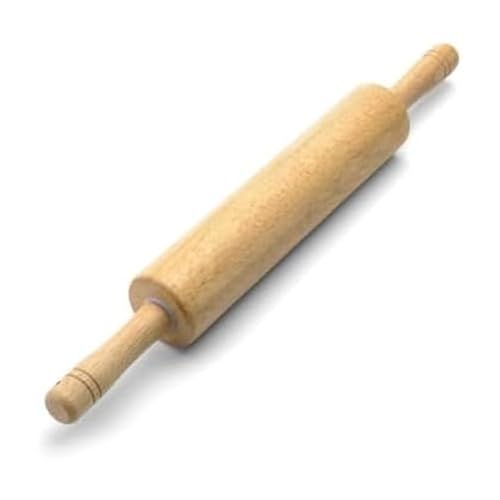
The Farberware rolling pin uses premium hardwood to deliver a smooth, non-dragging surface. The 10-inch barrel sits within an 18-inch overall pin for balanced control, making it suitable for pizza dough, pie crusts, and cookies. Its ergonomic handles are designed to reduce hand fatigue during longer sessions, while the balanced weight distribution supports steady, even pressure. This pin is best for home bakers who want reliable, straightforward performance without specialized features. A potential limitation is the shorter barrel length, which may be less ideal for very large dough sheets or expansive pastry projects.
TUSIWIT Classic Sapele Rolling Pin
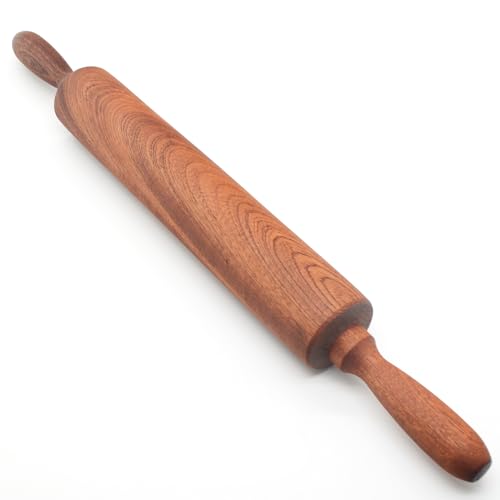
Crafted from dense Sapele hardwood, this pin emphasizes durability and a naturally smooth rolling surface. The comfortable, ergonomic handles and end-to-end balanced weight help produce even, consistent thickness across doughs—from delicate pastries to thick bread doughs. The natural wood finish minimizes flour dusting, making it ideal for rolling pizza crusts and cookies with minimal sticking. A caveat is that wood knots or variations can appear, though they typically do not affect performance. Choose this if you value a stylish wood grain and steady control across multiple dough types.
Wooden Rolling Pin – Classic Beech Wood

HELFERX’s beech wood rolling pin features premium beech construction with a classic design and ergonomic handles for comfortable control. The durable nylon bearings support smooth rolling and reduce sticking, making it a dependable choice for pie crusts, fondant, and pastries. Best for bakers seeking a reliable all-rounder with a traditional appearance. A notable limitation is the standard length, which may not suit very large dough sheets. This pin excels as a versatile, budget-friendly option with smooth performance.
GoodCook Classic Wooden Rolling Pin

The GoodCook model uses a one-piece barrel with nylon bearings, reflecting a straightforward, American-made construction. This pin promises smooth rolling with reliable endurance for everyday baking tasks such as cookies, pies, and pastries. It is best for shoppers seeking a simple, easy-to-clean, durable pin without extra fuss. Limitations include fewer premium wood features compared to more expensive models, which could matter to bakers seeking the most refined feel.
Aisoso French Rolling Pin
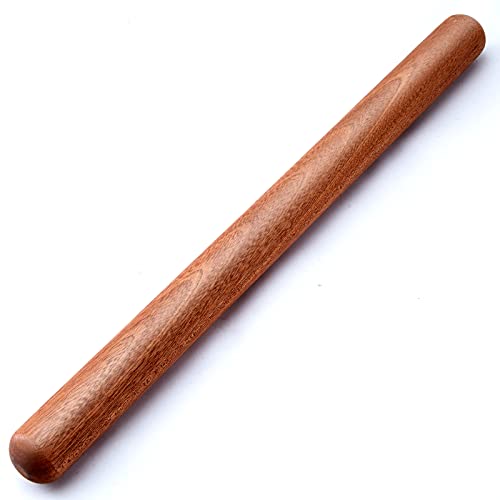
The Aisoso French rolling pin emphasizes size and solidity, with a 17.7-inch length and a natural wood finish free of paint or wax. It is designed for fondant, pies, cookies, and bread, enabling confident control for large-scale dough work. It’s best for bakers needing a long, smooth pin that minimizes flour dusting while offering a classic French pin feel. A potential downside is the longer length may be less maneuverable for smaller countertops or single-person food prep spaces.
Buying Guide
Key purchase considerations help buyers pick the right vintage wood rolling pin for their kitchen needs.
- Wood type and durability: Hardwoods like beech, sapele, and other dense woods resist warping and provide smooth surfaces. Consider humidity and storage when selecting wood.
- Barrel length and handle design: Longer pins cover larger dough areas; shorter pins offer easier control. Ergonomic handles reduce fatigue during long sessions.
- Rolling action and bearings: Pins with smooth bearings glide with minimal resistance. Nylon bearings generally deliver consistent rolling.
- Surface finish: A naturally smooth wood surface reduces sticking. Some brands offer polished finishes that require less flour.
- Maintenance: Hand wash and dry promptly to prevent cracking or warping. Avoid dishwasher exposure for most wooden pins.
- Intended use: For delicate pastries, fondant, and cookies, prioritize pins with minimal drag; for bread or pizza dough, focus on balanced weight and control.
Frequently Asked Questions
- What is the best wood for rolling pins?
Hardwoods such as beech and sapele are popular due to durability and smooth surfaces, reducing dough sticking and wear over time.
- How should a wooden rolling pin be cared for?
Hand wash with mild detergent, dry completely, and store in a dry place to prevent cracking and warping.
- Are long rolling pins better for pizza dough?
Longer pins can cover more dough efficiently, but may be harder to handle on small countertops. Choose length based on workspace and dough size.
- Do all wooden pins require flour dusting?
Surface finish and dough type influence flour use. Some pins have smoother surfaces that require less flour for nonstick rolling.
- Which pin is best for fondant?
Look for a smooth rolling surface with minimal drag and comfortable handles; a longer pin can help reach large fondant sheets.
- Can I put a wooden rolling pin in the dishwasher?
No. Most wooden pins should be hand washed to prevent cracking and warping.