Looking for an under-sink water filter kit that delivers crisp, contaminant-free water right from your kitchen faucet? This guide highlights five top options designed for everyday use in American homes. Each choice targets common needs: PFAS and lead reduction, taste and odor improvement, and easy DIY installation. Best for apartment renters, families concerned about safety, and households seeking a long-term filtration solution. Below is a quick summary table of the featured products to compare core capabilities at a glance.
| Product | Key Benefit | Best For |
|---|---|---|
| Waterdrop 10UA | Direct faucet connection; PFAS/lead reduction | Municipal water users seeking quick, reliable installation |
| Waterdrop 10UB | Dedicated faucet; multi-stage filtration | Homes needing strong contaminant removal with added faucet |
| Amazon Basics Under Sink | High capacity; straightforward setup | Budget-conscious households wanting a trusted option |
| Waterdrop TSA 8 Layer | Eight-stage filtration; retains minerals | Those wanting deep filtration without TDS drop |
| CuZn UC-200 | Long filter life; multi-stage with mineral retention | Homes prioritizing long-term value and simple installation |
Waterdrop 10UA Under Sink Filter System

The Waterdrop 10UA is an NSF/ANSI 42 certified under-sink system designed for municipal cold-water sources. It connects directly to your kitchen faucet and uses a twist-and-lock design for easy 3-minute installation. Best for households seeking a compact, low-maintenance solution with strong taste and odor reduction. A noted limitation is that this model is not suitable for hot water or well water, so accuracy in water source remains essential.
Waterdrop 10UB Under Sink System With Dedicated Faucet

This model promises multi-stage filtration with an optional dedicated faucet, removing PFAS and heavy metals while improving chlorine, taste, and odor. It’s designed for cold-water use, and like other Waterdrop units, favors a quick, tool-free install. Best for buyers who want an extra faucet for filtered water and robust filtration without complicated setup. Limitations include a reliance on cold water and the need for proper fittings to match existing plumbing.
Amazon Basics Under Sink Water Filter System

The Amazon Basics system offers NSF/ANSI 42 and 372 certification with a high-capacity rating and an easy twist-and-lock design. It’s a practical choice for households seeking reliable chlorine, taste, and odor reduction from a well-known budget-friendly brand. It is intended for cold-water use and includes standard fittings for most kitchen plumbing setups. One consideration is that ongoing replacement costs should be weighed against filter life and maintenance needs.
Waterdrop TSA 8 Layer Under Sink Filtration

The TSA 8 Layer offers an 8-stage filtration process to reduce PFAS, PFOA/PFOS, fluoride, and other contaminants while keeping beneficial minerals. It connects directly to standard faucet threads and does not reduce TDS, preserving mineral content. Best for households wanting deeper filtration without sacrificing minerals. A potential limitation is compatibility with non-standard faucets or quick-connect adapters, which might require additional fittings.
CuZn UC-200 Under Sink Filter
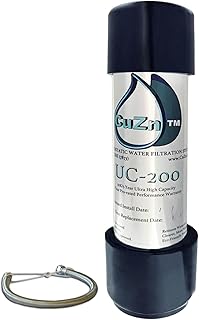
The CuZn UC-200 delivers a 3-stage filtration system with mineral retention and a long 5-year filter life. It uses a combination of Micro Sediment Membranes, KDF-55, and coconut shell carbon to balance contaminant removal with taste preservation. Best for families seeking long-term value and a straightforward inline installation with minimal space. A caution is that annual maintenance intervals should be planned to ensure continued performance, and the installation involves standard under-sink connections.
Buying Guide
- Water source and compatibility: Choose a model designed for municipal cold-water lines if you have city water. Do not expect hot-water functionality with these systems, and verify whether you need a dedicated faucet or an inline connection.
- Filtration depth and contaminants: For PFAS, PFOA/PFOS, lead, and chlorine reduction, compare multi-stage or specialized media like activated carbon and KDF. Eight-stage or multi-stage designs generally offer broader contaminant coverage.
- Faucet options and installation: Decide between a system that shares your existing faucet versus one with a dedicated filter faucet. Look for twist-and-lock installation and push-to-connect fittings for quick setup.
- Certifications and safety: Prioritize NSF/ANSI and IAPMO certifications as indicators of tested performance and safe materials. BPA-free and lead-free construction are important for long-term use.
- Maintenance and cost of ownership: Consider filter life (years or gallons), replacement filter costs, and the ease of sourcing replacements. Systems with longer filter life often reduce ongoing costs.
- Capacity and flow: If more people drink filtered water or you require higher daily usage, prefer higher capacity filters that maintain adequate flow without frequent changes.
FAQ
- Q: Do these systems remove fluoride? A: Some models claim fluoride reduction as part of their multi-stage filtration; check the product’s media and certifications for fluoride claims.
- Q: Can I install these without professional help? A: Most under-sink kits are designed for DIY installation with standard plumbing connections and included fittings. Review the installation guide and ensure you have cold-water access and space under the sink.
- Q: Will my mineral content be affected? A: Some systems are designed to retain beneficial minerals; verify if the unit reduces or preserves total dissolved solids (TDS) and minerals based on the chosen model.
- Q: Is a dedicated faucet necessary? A: Dedicated faucet options are common and convenient for distinguishing filtered water, but many systems can connect directly to the existing faucet if provided fittings allow.
- Q: How often should I replace filters? A: Replacement intervals depend on water quality and usage. Follow manufacturer guidelines for optimal performance and consider annual checks for high-demand households.
- Q: Are replacements expensive? A: Replacement costs vary by model, with some lines offering competitive ongoing pricing. Budget for filters when choosing a system.