Answer: Synthetic corks offer a consistent seal, reliable oxidation control, and easy storage for wines intended to age or be consumed within a year. This guide highlights five synthetic cork options that balance price, performance, and compatibility. Best for long-term aging is Nomacorc-based corks; better for standard aging windows are Annum and 900-series corks; choose this list if you want uniform seals and ease of use in small-batch or hobby winemaking. The table below compares key specs to help you decide quickly.
| Product | Brand | Size | Notes | Best For |
|---|---|---|---|---|
| Nomacorc Synthetic Wine Corks #9 x 1 1/2″, Bag of 100 | Home Brew Ohio | 38 mm x 22 mm (1 1/2″ x 7/8″) | Barrier to oxidization; suitable for wines aging several years | Home brewers planning longer aging and consistent seals |
| North Mountain Supply Annum Cork Premium Quality Synthetic Corks 23 x 38mm – Bag of 100 | North Mountain Supply | 23 x 38 mm | Will keep wine sealed for about 12 months; floor corker recommended | Wines to be consumed within a year; compatible with floor corkers |
| Synthetic Corks (100 Pieces) Nomacorc 900 | UBREW USA | 38 mm x 22 mm | Factory vacuum sealed; fits standard bottles | Bulk replacement for standard bottles; reliable sealing |
| Nomacorc Synthetic Wine Corks #9 x 1 1/2″, Bag of 1000 | Home Brew Ohio | 38 mm x 22 mm | Barrier to oxidization; ideal for long aging | Large batches needing long-term aging with consistent performance |
| 60PK #9 NOMACORC Select 900 Synthetic Wine Corks 1-3/4″ 22mm x 44mm | NomaCorc | 1-3/4″ x 22mm | Premium finish; upright storage; long-term aging | Wines stored upright and aged longer than 2 years |
Nomacorc Synthetic Wine Corks #9 x 1 1/2″, Bag of 100
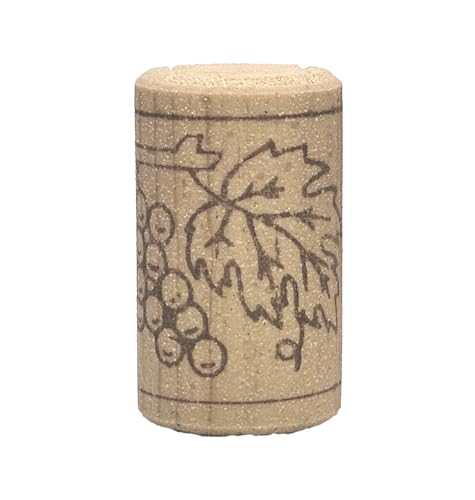
Best for: Home winemakers planning longer aging. Why: Provides a barrier to oxidation for wines that will age for several years. Caution: Check bottle compatibility with cork diameter to ensure a snug fit in standard bottles.
North Mountain Supply Annum Cork Premium Quality Synthetic Corks 23 x 38mm
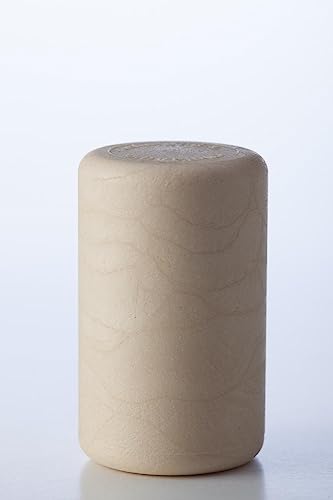
Best for: Short- to mid-term aged wines. Why: Keeps wine sealed for about 12 months and is recommended for use with a floor corker. Caution: Not ideal for long-term aging beyond a year without monitoring storage conditions.
Synthetic Corks (100 Pieces) Nomacorc 900

Best for: Bulk replacement. Why: 100 pieces of Nomacorc 900 fit standard bottles and come in a vacuum-sealed package to remove oxygen. Caution: Ensure compatibility with your bottling equipment for a smooth corking process.
Nomacorc Synthetic Wine Corks #9 x 1 1/2″, Bag of 1000

Best for: Large batches intended for long-term aging. Why: Large bag size reduces refill frequency and provides a consistent barrier to oxidation. Caution: Verify that the corks fit your bottling line and bottle necks to avoid mishaps.
60PK #9 NOMACORC Select 900 Synthetic Corks 1-3/4″ 22mm x 44mm

Best for: Wines stored upright with longer aging. Why: Premium finish and consistent oxygen permeation. Caution: Slightly longer cork length may require taller bottle neck clearance.
Buying Guide
Key purchase considerations help you pick the right synthetic cork for your needs.
- Size compatibility: Ensure the cork length and diameter fit your bottle necks exactly (common sizes include 23 x 38 mm and 38 x 22 mm).
- Oxygen permeability: Most synthetic corks offer consistent oxygen transfer; choose higher permeability for longer aging.
- Storage and packaging: Vacuum-sealed packaging reduces oxidation risk before use; bulk bags save costs for large batches.
- Sealing performance: Look for corks designed to prevent wine leakage and maintain low oxygen levels inside bottles.
- Compatibility with bottling equipment: Some corks work better with floor corkers; check recommended tool compatibility.
FAQ
- Q: Are synthetic corks better than natural corks for aging wine? A: Synthetic corks provide consistent seals and reduced risk of cork taint, often suitable for wines aged several years, but natural corks may offer a traditional seal for shorter aging windows.
- Q: Can I reuse synthetic corks? A: Reuse is generally not recommended due to potential leakage and seal degradation; fresh corks ensure a reliable seal.
- Q: Will synthetic corks fit all wine bottles? A: Most standard bottles use common diameters (e.g., 23 x 38 mm or 38 x 22 mm). Verify cork size before purchasing.
- Q: How should I store corked bottles? A: Store upright in a cool, dark place with steady humidity to maintain seal integrity and prevent cork collapse.
- Q: Do synthetic corks affect wine flavor? A: They are inert and designed to minimize flavor interaction; overall impact is typically minimal compared to aging conditions.
- Q: Which product is best for large winemaking projects? A: Bags of 1000 or larger, like the Nomacorc 1000, reduce refill frequency and support bulk production needs.