Answering the search for durable, knife-friendly cutting boards inspired by Sam The Cooking Guy approach, these picks suit homes that value sturdy construction, practical features, and easy maintenance. Best for serious home cooks who want reliable surfaces for chopping, slicing, and serving. The top options include boards designed for meat prep, big meal work, charcuterie, and compact storage. This guide highlights five strong choices, explaining who each is best for and why.
| Product | Best For | Key Benefit |
|---|---|---|
| AZRHOM Walnut Wood Cutting Board | Large-volume prep, carving, charcuterie | Juice groove, built-in handles, reversible surface |
| SMIRLY 3 Piece Bamboo Cutting Board Set | Versatile meal prep and serving | Three sizes, built-in handles, deep juice grooves |
| Shun Hinoki Medium Cutting Board | Everyday knife-friendly surface | Medium-soft hinoki wood, FSC certified |
| Salabarpro Non-Toxic Raised Cutting Board | Stand-alone workstation, space-saving | Foldable legs, anti-slip feet, bamboo surface |
| HIWARE Bamboo Cutting Board 18×12 | Large, heavy-duty chopping and prep | Juice grooves, durable bamboo, knife-friendly |
AZRHOM Walnut Wood Cutting Board 17×11
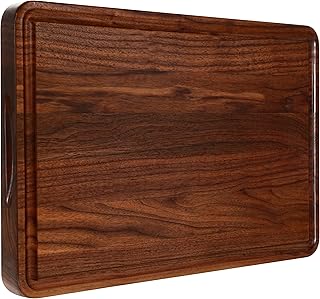
Best for: cooks who need a large, stylish work surface. This reversible board provides ample space for chopping and serving. The juice groove helps manage liquids during meat prep, while built-in handles facilitate moving and serving. The 1-year warranty adds confidence for gift buying or daily use. Its knife-friendly construction aims to protect blades during frequent use. Consider care instructions to prevent staining and preserve the rich walnut color.
Caution: As with all wooden boards, knife marks may appear with use; follow the included care instructions to extend life and appearance.
SMIRLY 3 Piece Bamboo Cutting Board Set

Best for: families or serious meal preppers who want variety in one purchase. This 3-piece set includes large, medium, and small boards, each with juice grooves and built-in handles. The bamboo is non-toxic and treated to resist water and staining, helping maintain knife sharpness over time. The three sizes support different prep tasks and serving needs, from chopping vegetables to presenting cheese boards.
Limitation: While bamboo is durable, the set requires regular oiling to sustain its finish and prevent cracking over time.
Shun Cutlery Hinoki Cutting Board

Best for: chefs who value a quiet, knife-friendly surface with a pleasant aroma. Hinoki wood is softer than many kitchen boards, which helps minimize knife edge wear while providing a refined look. This FSC-certified board emphasizes sustainable forestry practices. Its medium size is ideal for everyday prep without occupying excessive counter space.
Limitation: Hinoki is softer than some hardwoods, so heavy-duty chopping may leave more visible marks over time.
Salabarpro Non Toxic Raised Cutting Board

Best for: compact kitchens or stand-alone prep stations. The raised design with foldable legs elevates the work area, reducing strain during long slicing sessions. The bamboo surface is knife-friendly and resistant to moisture, making cleanup straightforward. Folding legs enable easy storage when not in use.
Limitation: The raised design may reduce usable surface area on very small counters; check clearance if you have limited overhead space for folding or unfolding legs.
HIWARE Bamboo Cutting Board 18″ x 12″

Best for: large meal prep and heavy-duty chopping. The 18″ x 12″ surface offers substantial space for vegetables, meats, and big tasks. Bamboo provides a sturdy, knife-friendly cutting surface with built-in juice grooves to catch liquids. The board’s durability suits frequent use in busy kitchens.
Limitation: Bamboo, while durable, benefits from periodic oiling to maintain its finish and resist cracking over time.
Buying Guide
What should you consider when choosing a cutting board like those inspired by Sam The Cooking Guy?
- Material: Wood (walnut, hinoki), bamboo, and composite options each have pros. Wood is knife-friendly and durable; bamboo resists moisture but may require oiling; hinoki is elegant and soft on knives but can show knife marks.
- Surface size: Large boards are best for big tasks or charcuterie, while compact boards fit small kitchens or quick prep.
- Edge features: Juice grooves help manage liquids; reversible surfaces increase longevity and versatility; handles assist in moving and serving.
- Maintenance: Most wooden and bamboo boards require hand washing and oil conditioning to prevent cracking and staining. Look for boards with clear care instructions.
- Durability: For high-volume prep, opt for thicker boards and those with reinforced edges or built-in features like foldable legs or robust juice channels.
- Safety and ethics: FSC-certified woods and non-toxic finishes are preferable for health and sustainability.
FAQ
- What is the best material for knife preservation?
Wood and bamboo surfaces are generally gentler on blades than hard plastics or glass, with wood offering a balance of hardness and knife-friendliness.
- Do cutting boards require oiling?
Yes, many wooden and bamboo boards benefit from occasional mineral oil or food-grade oil to prevent drying, cracking, and staining.
- Is a reversible board better?
A reversible design doubles usable surface and helps keep separate zones for raw proteins and vegetables, reducing cross-contamination risk.
- Are raised or folding boards worth it?
Raised or foldable boards save counter space and improve ergonomics, but ensure they fit your kitchen layout and storage options.
- What size should I choose for daily cooking?
For typical family cooking, a 15–18 inch board covers most tasks; larger boards suit frequent hosting or big meal prep.
- How do I care for Hinoki boards?
Wipe clean, dry promptly, and apply food-safe oil occasionally; avoid soaking and prolonged water exposure to protect the wood.