The best rice cooker with a ceramic insert offers healthy cooking, easy cleanup, and reliable results for everyday meals. This guide highlights five options that fit different kitchens and needs, from compact models to multi-function cookers. Whether you’re feeding a small household or planning batch meals, these picks emphasize PFAS-free ceramic surfaces, simple controls, and dependable performance. Read on to find the right ceramic insert rice cooker for you, with clear reasons for each choice and practical buying tips.
| Product | Best For | Key Benefit |
|---|---|---|
| GreenLife Rice Cooker, 3-Cups Uncooked/6-Cups Cooked | Small kitchens, apartments | PFAS-free ceramic nonstick interior for easy cleanup |
| AROMA CoreCoat Digital Rice Cooker & Steamer | Versatile grains, ease of use | CoreCoat ceramic coating for easy cleaning and varied grain options |
| AROMA 6-Cup One-Touch Pot Style Rice Cooker | Simple, reliable daily use | CoreCoat PFAS-free surface with auto-warm |
| TOSHIBA OriginTaste Rice Cooker | Multiple functions, flexible timing | 15-in-1 functions with digital display |
| TOKIT Mini Rice Cooker | Compact, for 1–3 people | 3-cup uncooked capacity with 24-hour timer |
GreenLife Rice Cooker With Ceramic Nonstick Pot

Best for shoppers seeking a compact, PFAS-free option for small spaces. GreenLife uses a ceramic nonstick interior derived from sand, designed for effortless release and quick cleanup. The unit cooks up to 6 cups of cooked rice from a 3-cup uncooked batch, making it suitable for limited kitchens or single-family meals. The one-switch design emphasizes simplicity and reliability for routine use. A noted limitation is the smaller batch size, which may not meet larger gatherings without multiple cycles.
AROMA CoreCoat Digital Rice Cooker & Steamer
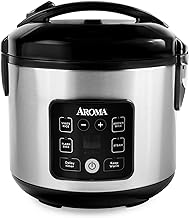
Better for cooks who want a broader grain repertoire and precise timing. The CoreCoat ceramic coating promotes easy release without PFAS or PFOA. It supports white, brown rice, quinoa, bulgur, and more, delivering fluffy texture with Sensor Logic for consistent results. The digital timer can delay start up to 15 hours for ready-when-you-are meals, and a fast mode speeds up cooking. Choose this if you value versatility and automated control; the caution is that digital features may require more setup than basic models.
AROMA 6-Cup One-Touch Pot Style Rice Cooker

Best for straightforward, everyday rice cooking. The CoreCoat ceramic inner pot provides a durable PFAS-free surface and a natural nonstick feel, making cleanup simple. It features auto-warm that automatically shifts to keep rice at the right temperature after cooking. This model emphasizes ease of use, but its capacity is modest at about 6 cups cooked, which is ideal for small families or planning leftovers. Avoid this if you need very large batches in a single cycle.
TOSHIBA OriginTaste Rice Cooker
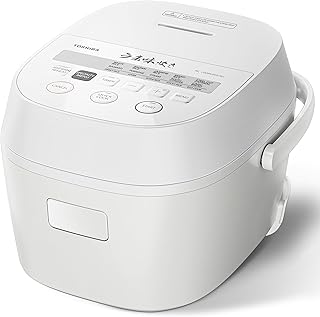
Best for multi-function needs and flexible timing. The OriginTaste offers numerous functions in a 15-in-1 style platform with a digital display, making it suitable for households that prepare different grains and meals beyond plain white rice. It supports a delay timer, keep-warm, and crisp potential with its digital controls. The caution is that feature-heavy models may require more setup and learning curve compared to single-switch options.
TOKIT Mini Rice Cooker

Best for small households or meals for 1–3 people. The TOKIT Mini offers a compact form with 3-cup uncooked capacity and a 6-cup cooked yield, plus a 24-hour timer and auto keep-warm. It’s suited for single- or couple-friendly kitchens where space is at a premium. A potential limitation is the smaller capacity, which may require more frequent refills for larger meals.
Buying Guide: Ceramic-Insert Rice Cookers
Key considerations help shoppers match a ceramic insert rice cooker to their needs.
- Capacity and batch size: Choose a model that fits your household size and how often you cook in bulk. Smaller units are great for apartments; larger units suit families.
- Ceramic coating quality: PFAS-free ceramic coatings minimize health concerns and offer easier cleaning. Look for CoreCoat or similar ceramic surfaces when possible.
- Control style: One-switch or basic models favor simplicity and reliability. Digital controls provide more cooking modes and timers but may require a learning curve.
- Versatility: Some models cook other grains and include steamer functionality. This can replace multiple appliances in a compact kitchen.
- Warm function: Auto-warm helps keep rice ready without overcooking. Consider how long you typically wait after cooking.
- Maintenance: Removable pots and dishwasher-safe parts save time and effort in cleaning.
Frequently Asked Questions
- What is a ceramic insert rice cooker?
It uses a ceramic inner pot with a nonstick surface to cook rice, often PFAS-free and easier to clean than traditional nonstick coatings. - Are ceramic rice cookers healthier than standard nonstick?
Ceramic surfaces avoid certain chemical compounds found in some nonstick coatings, which may be preferable for those seeking PFAS-free options. - Which capacity should I choose?
Choose based on household size: 3-cup uncooked (about 6 cups cooked) is good for individuals or couples; 4–6 cups uncooked suits small families; larger households may need 8–12 cups cooked capacity. - Do I need a digital timer?
Timers add convenience for ready-at-home meals, but basic models with a simple switch can be sufficient for daily use. - Can I use these for grains other than white rice?
Yes, many models support brown rice, quinoa, bulgur, and more, especially those with CoreCoat ceramic surfaces and multiple settings.
Note: This article compiles five ceramic-insert rice cookers to align with diverse cooking needs. Product names, features, and images reflect provided data. For exact specifications and availability, refer to the linked product pages.