When you need a pan that can handle large sheets, family-sized casseroles, and generous roasts, a large rectangular baking pan is essential. This guide highlights five top choices, each selected for durability, heat distribution, and practical design. Ideal buyers include home bakers cooking in bulk, small caterers, and families who bake large sheet cakes or lasagnas. Below, compare each option’s strengths, who it’s best for, and any limitations to consider.
| Product | Best For | Key Benefit |
|---|---|---|
| Winco 18″ x 12″ Rectangular Pan | Bulk-batch bakers | Heavy-duty aluminized steel for even baking |
| Nordic Ware Prism 13″ x 18″ Pan | Everyday sheet cakes and roasts | Better airflow and durability |
| Nordic Ware Prism 21×15 Inch Pan | High-volume sheet baking and roasting | Extra-large capacity, warp-resistant |
| Commercial Pullman Loaf Pan | Bread and loaf-focused baking | Thick aluminized steel with lid options |
| mobzio Lasagna Pan Deep | Deep-bake dishes and casseroles | Two-layer nonstick coating, deep sides |
Winco 18″ x 12″ Rectangular Aluminized Steel Pan

Best for large batches and heavy-duty use, this pan measures 18″ x 12″ with 3″ deep walls. Made from aluminized steel, it delivers even heat and strong performance for sheet cakes, casseroles, and roasts. Choose this if you regularly bake sizeable trays for gatherings or catering.
Best-for notes: Durable construction suits frequent baking and high-volume tasks. Caution: Deep walls may require careful handling to avoid spills when transferring pans from oven to counter.
Nordic Ware Prism 13″ x 18″ Pan

Best for crisping airflow and everyday sheet baking, this 13″ x 18″ pan emphasizes natural aluminum with extra durability. It’s well-suited for sheet cakes, roasting vegetables, and quick-bake dishes that benefit from steady heat without warping.
Best-for notes: Great balance of cost and performance for non-commercial use. Caution: It has a slimmer profile than extra-large options, so very tall preparations might need a deeper pan.
Nordic Ware Prism 21×15 Inch Pan
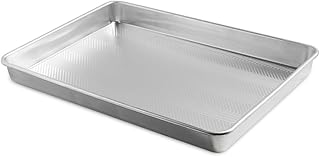
Best for high-volume sheet baking and roasting, this extra-large pan offers a generous capacity for cookies, sheet cakes, or vegetables. It features an embossed aluminum surface for even heating and a robust rim designed to resist warping, supporting long-term durability.
Best-for notes: Oven-safe up to 500°F and broiler-safe for high-heat tasks. Caution: Pure uncoated aluminum requires proper release practices to maximize food-release performance.
Commercial Pullman Loaf Pan with Lid

Best for artisan bread and loaf-focused baking, this deep pan measures 13.6″ x 5.4″ x 4.7″ and uses a thick 0.8mm aluminized steel for even heat distribution. The non-stick coating and steam-control vents help achieve consistent crusts while allowing option to seal with a lid for uniform loaves.
Best-for notes: Suited for sandwich loaves and denser breads. Caution: Non-Teflon coating and silicone-safe surface require proper care to preserve non-stick performance over time.
mobzio Lasagna Pan Deep 16x12x3
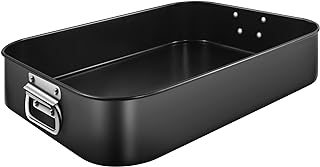
Best for deep-bake dishes and hearty casseroles, this 16″ x 12″ x 3″ pan features a Whitford-reinforced two-layer nonstick coating and ergonomic riveted handles for a secure grip. It’s constructed from premium carbon steel and is designed to distribute heat evenly for consistent results.
Best-for notes: Nonstick release reduces stick and cleanup time. Caution: Deep pans with sauce-heavy dishes may require longer soaking if baked-on residue occurs.
Buying Guide
Which large rectangular pan should you buy? Start with material and depth. Heavier aluminized or carbon steel pans tend to offer better heat distribution and warp resistance for long-term use. Depth matters when you bake tall sheet cakes, casseroles, or loaf pans; deeper walls prevent overflow but can require longer bake times. Consider whether you need a lid or steam vents for crust development, especially with breads.
What size fits your oven and workspace? If you regularly bake in bulk, the 18″ x 12″ pan can slot into standard home ovens with ease while offering substantial capacity. For serious catering or home bakers who run multiple trays, the extra-large 21″ x 15″ option accelerates throughput but may require a larger oven or staged baking. If you primarily bake bread, loaf pans with lids can help achieve consistent crusts and loaf shapes.
Nonstick coatings and coatings-free surfaces influence food release and cleanup. Coated pans excel for easy release but require gentle care to sustain coating integrity. Uncoated aluminum with proper release methods may offer longer life for some cooks, especially with breads and roasted vegetables. Safety features such as PTFE/PFOA-free coatings reduce chemical exposure concerns.
Durability and maintenance should guide your choice. Pans with reinforced rims, warp resistance, and robust handles improve long-term performance in busy kitchens. Always verify oven-safety ratings for high-heat scenarios like broiling or extended baking at 450°F–500°F.
FAQ
- What size is best for a standard home oven? A pan around 13″ x 18″ or 16″ x 12″ fits most home ovens and provides ample capacity for sheet cakes and roasts.
- Are aluminized steel pans safer than nonstick coatings? Both types are commonly used; aluminized steel is durable and distributes heat evenly, while nonstick coatings offer easy release. Choose based on cooking style and cleanup preference.
- Can I use a large pan for bread dough? Yes, especially with loaf pans that include lids or steam-control features to promote crust development and crumb structure.
- Will these pans warp in high heat? Higher-end pans with reinforced rims are designed to resist warping; avoid sudden temperature changes to minimize risk.
- Is extra depth better for casseroles? Deeper pans prevent overflow and accommodate layered dishes, but they may require longer bake times for thorough cooking.
- Which pan is best for easy cleanup? Nonstick or coated pans typically release foods with less residue, reducing scrubbing time. Ensure compatibility with your cleaning method.