Find the right Japanese cast iron skillet for your kitchen and cooking style. This guide highlights five well-rounded options, each suited to different needs—from quick sears and even heating to large, family-sized stir-fries. Ideal buyers include home cooks seeking durable, naturally seasoned pans; those who value precise heat control; and anyone starting a cast iron collection. The table below summarizes who each product is best for.
| Product | Best For | Notes |
|---|---|---|
| Suntuup Japanese Iron Pan | Everyday quick meals | Thick bottom, quick heating, naturally non-stick |
| Vermicular Egg & Toast Pan | Precise heat control for delicate browning | Enamel finish for fast moisture evaporation |
| Riverlight Kyoku 9.4 in | Compact, reliable everyday skillet | Iron nitriding, rust resistant |
| River Light Extreme Japan 6.3 in | Small, sturdy wok-style pan | Induction compatible, light |
| Japanese Cast Iron Wok Pan (7.9″) | Family meals, deep design | Uncoated, non-stick with seasoning |
Suntuup Japanese Iron Pan, 9.45 Inch

Best for cooks seeking a reliable, budget-friendly cast iron skillet with natural non-stick properties. This pan uses a thick bottom and thin walls to heat quickly and evenly, reducing cooking time. The iron is uncoated, avoiding artificial coatings while preserving nutrients in ingredients. Best for gas and electric cooktops and everyday frying, searing, and sautéing. Caution: iron pans require seasoning to optimize non-stick performance and prevent rust.
- Efficient Heat Conductivity: Thick bottom, thin walls for quick, even heating.
- Non-stick: Refined iron with a smooth surface and natural non-stick behavior.
- Non-coating: Free from artificial coatings or chemicals, helping retain nutrients.
Vermicular Egg & Toast Pan with Stainless Steel Lid

Best for cooks who want precise heat control and fast browning. The rectangular egg and toast tamagoyaki pan features Vermicular’s enamel finish that rapidly evaporates surface moisture, promoting browning and caramelization while intensifying natural flavors. It offers responsive heat control for delicate omelets, vegetables, and toasted items. Caution: enamel finish requires careful handling to avoid chipping; ensure compatible heat sources.
- Rectangular shape for roll-up omelets and even toasting.
- Instant evaporation: enamel finish dries surface moisture quickly for browning.
- Responsive cast iron: improves control over temperature adjustments.
Riverlight Kyoku JAPAN Iron Frying Pan, 9.4 Inches

Best for those wanting a compact yet robust Japanese iron skillet. This 9.4-inch pan features iron with special heat treatment and wooden handle. It delivers solid heat distribution for searing proteins or vegetables and works well on induction cooktops. Best for small kitchens or single-serving meals. Limitation: smaller surface area may require batch cooking for larger ingredients.
- Size and weight: 9.4 inches, about 1.8 lbs for easy handling.
- Iron with special heat treatment for durable performance.
- Induction compatible; wooden handle for comfortable grip.
River Light Iron Frying Pan, Extreme Japan, 6.3 Inches
Best for compact cooking tasks and precise sautéing. At 6.3 inches, this small skillet is ideal for single-portion meals, sauces, or quick sears. It uses iron with a wooden handle and is suited for induction cooking. Caution: smaller cooking surface means more frequent turning or batch cooking for larger items.
- Small footprint: 6.3 inches, lightweight for easy handling.
- Induction compatible; wooden handle for comfort.
- Rust-resistant construction designed for durable daily use.
Japanese Cast Iron Wok Pan (7.9 Inches)
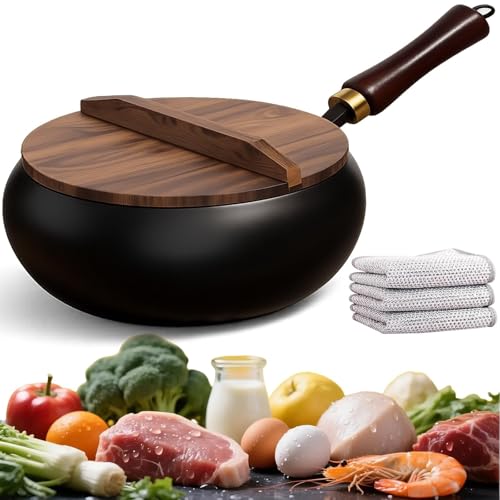
Best for family meals and high-heat stir-frying. This uncoated wok pan is hand-hammered cast iron with a deep bowl and wooden or glass lid options. The pan’s pure iron surface becomes naturally non-stick with seasoning and is rust-resistant with proper care. Choose this for large stir-fries, fried rice, and wok-style cooking. Caution: uncoated iron requires seasoning and appropriate maintenance to maintain non-stick performance.
- Pure iron; naturally non-stick with seasoning over time.
- Deep design for large portions and reduced oil splatter.
- Durable and rust-resistant with proper care.
Buying Guide: Key Considerations For Japanese Cast Iron Skillets
What should I look for in a Japanese cast iron skillet?
Material quality, thickness, and heat distribution matter most. Look for a pan with a thick base for even heating, and a handle that stays cool and comfortable. For induction users, ensure the pan is induction-compatible. Consider whether you want a bare iron surface or enamel-coated finish for easier maintenance and faster moisture evaporation.
How does size affect cooking?
Smaller skillets are ideal for single servings, side dishes, or quick sears. Medium-sized pans are versatile for most recipes and family meals. Large pans excel for stir-fries and multiple ingredients. Your choice should align with typical portion sizes and your stove space.
Coated vs uncoated iron: which to choose?
Uncoated iron develops a natural patina and non-stick surface over time with seasoning. It can be more durable but requires regular drying and oiling to prevent rust. Enamel-coated pans resist rust and are easier to maintain but may require gentler handling to avoid chipping enamel.
Maintenance and longevity
Seasoning is essential for uncoated pans. Wash with warm water, dry immediately, apply a thin layer of oil, and heat gently to maintain a protective coating. Store in a dry area to prevent moisture exposure that could lead to rust.
Best use cases by cook style
For quick weeknight meals, choose pans with efficient heat conduction and a moderate size. For delicate browning and controlled searing, enamel finishes and responsive heat control offer advantages. For large family dinners, opt for deeper designs and larger surface areas to handle multiple ingredients at once.
Care tips by material
Uncoated iron: season regularly; avoid dishwasher exposure; dry promptly. Enamel-coated: avoid metal utensils that could scratch; use gentle cleaning and dry thoroughly before storage.
FAQs
- Are Japanese cast iron skillets safe on induction cooktops? Yes, most are compatible, but check the product details for induction suitability.
- Do I need to season uncoated iron pans before first use? Yes, a proper initial seasoning enhances non-stick properties and rust prevention.
- Is enamel-coated iron easier to maintain than uncoated iron? Generally yes, as enamel resists rust and minimizes seasoning needs.
- Do these pans work well for high-heat searing? Yes, the thick bases support even heating for searing and browning.
- Can I wash these pans in a dishwasher? Most uncoated irons should not be dishwashed; enamel-coated options may tolerate gentle washing, but hand washing is recommended.
- What is the best way to store cast iron to avoid rust? Keep in a dry area, optionally with a light oil coating on the surface, and ensure the pan is completely dry before storage.