Find the right hydro reverse osmosis system for your needs. This guide highlights five top options, explaining who each is best for and why. Ideal buyers include home cooks, small households, and hydroponic enthusiasts seeking reliable water filtration with mineral boosts or energy-efficient waste ratios. Below is a quick at-a-glance table of the selected products to help you compare features and suitability at a glance.
| Product | Best For | Key Benefit |
|---|---|---|
| Hydro-Logic Evolution RO High Flow HL 31023 | High-demand households, hydroponics | Very high flow and strong TDS reduction with flexible waste ratio |
| HydroLogic Stealth RO150 | Smart, compact setups | 3-stage filtration with easy waste-to-product ratios |
| Hydro-Logic Stealth-RO300 | Budget-conscious filtration | Efficient membrane with solid contaminant rejection |
| iSpring RCC7AK-BN | Mineralized, pH-balanced water | 6-stage with remineralization and easy installation |
| Waterdrop G3P600 | Tankless, advanced monitoring | NSF-certified, compact, smart display |
Note: Each model below is described with its intended buyer in mind. Where applicable, pay attention to waste ratios, filtration stages, and any required installation considerations.
Hydro-Logic Evolution RO High Flow HL 31023

The Hydro-Logic Evolution RO High Flow HL 31023 is designed for users who need substantial purified water volume. It can produce up to 1,000 GPD (42 GPH) at standard line pressure, making it suitable for hydroponic systems or larger households. It reduces total dissolved solids by 95% or more. A notable feature is an adjustable waste water ratio with a 2:1 option and a 1:1 option included. Best for: high-demand homes and hydroponics where consistent supply matters. Caution: setup may require space for the higher flow system and proper drain connections.
HydroLogic Stealth RO150

The Stealth RO150 offers a compact, space-saving solution with a 3-stage RO setup. It removes 98%+ of contaminants and features automatic shut-off, a cleanable sediment filter, and a choice of 1:1 or 2:1 waste to product water. Best for: small to medium households seeking reliable filtration in a compact package. Limitation: slightly lower production compared to high-flow models, which may matter in very large demand scenarios.
Hydro-Logic 31040 300-GPD Stealth-RO300
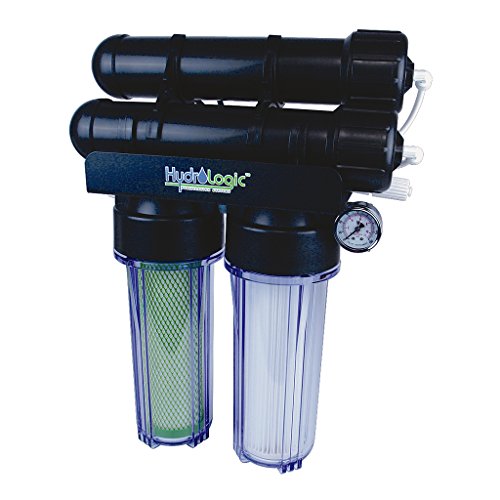
The Stealth-RO300 delivers up to 300 GPD with a focus on reducing chlorine and other contaminants. It claims 98% chlorine removal with strong overall contaminant rejection and a broad pH tolerance. Best for: households needing reliable, efficient removal with lower daily demand. Caution: performance can vary with water pressure and feed water quality.
iSpring RCC7AK-BN NSF Certified 75 GPD

This six-stage system adds a remineralization stage to balance pH and restore minerals, producing water with a more natural flavor. It features a top-mounted faucet for easy installation, a see-through first-stage housing to monitor filtration, and a compact footprint. Best for: homes seeking mineral-balanced drinking water and simple installation. Limitation: higher number of stages may require more maintenance scheduling than simpler RO units.
Waterdrop G3P600 Tankless RO System

The Waterdrop G3P600 is a tankless RO system certified for NSF/ANSI standards, including TDS reduction and lead-free materials. It incorporates an advanced filtration stack and a smart display faucet to monitor water quality and filter life. Best for: households wanting a tankless, smart-filter experience with clear performance data. Caution: advanced features may require careful wiring and mounting considerations during installation.
Buying Guide
What should you consider when choosing a hydro reverse osmosis system?
- Water demand: Choose a unit whose production rate matches daily water needs to avoid long fill times.
- Waste ratio: Look for adjustable or efficient ratios (1:1 or 2:1) to minimize wastewater.
- Filtration stages: More stages often improve taste and mineral balance but may require more maintenance.
- Mineral balance: If you want mineral-enhanced water, consider remineralization options or alkaline variants.
- Space and installation: Check dimensions, under-sink or countertop options, and required connections.
- Certifications and standards: NSF/ANSI certifications and lead-free materials add assurance for drinking water.
Frequently Asked Questions
- What is RO water best used for?
RO water is suitable for drinking, cooking, and any use where contaminant removal improves taste or safety. High-flow systems also support hydroponics.
- Do RO systems waste water?
All RO systems generate wastewater, but many models offer adjustable waste ratios to reduce waste by buffering the ratio to 1:1 or 2:1.
- Is remineralization necessary?
Remineralization can improve taste and provide minerals; it is optional and depends on preference and health considerations.
- Do tankless RO systems exist?
Yes, tankless designs provide on-demand purified water with no storage tank, often featuring smart monitoring and compact footprints.
- Which system is best for hydroponics?
High-flow or larger-capacity systems with stable production and reliable waste management are typically preferred for hydroponics.