Discover durable, restaurant-grade cutting boards designed for heavy use. This guide highlights five top picks ideal for charcuterie setups, meat prep, grilling stations, and daily kitchen workloads. Each option is chosen for durability, knife-friendliness, and ease of cleaning, with buyer-focused notes on who benefits most from each board.
| Product | Best For | Size | Material |
|---|---|---|---|
| Winco CBWT-1830 | High-volume kitchens, buffet displays | 18″ x 30″ | High-density plastic |
| Winco CBH-1824 | Cheese, charcuterie, appetizers | 18″ x 24″ | High-density plastic |
| Thirteen Chefs 18×12 | Grilling, BBQ prep, carving | 18″ x 12″ | HDPE plastic |
| John Boos Chop-N-Slice | Butchering, roasting prep | 20″ x 15″ | Maple wood |
| Totally Bamboo Poly-Boo | Dual-surface prep, vegetables and meat | 15″ x 11″ | Wood/Bamboo and BPA-free poly |
Winco CBWT-1830 Cutting Board, 18×30
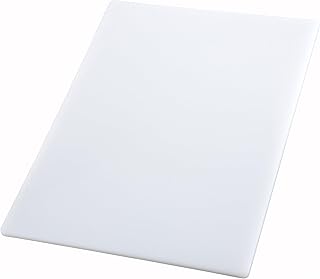
Product overview: Commercial-grade, high-density plastic board designed for heavy daily use in professional kitchens. It resists cracking, warping, and staining, with a copolymer formulation that helps minimize knife dulling and reduce warping. This board is suitable for charcuterie displays, buffet stations, and everyday meat prep in busy environments.
Best for: High-traffic kitchens and buffet setups that need resilient, long-lasting surfaces. Ideal for meat and appetizer prep where frequent washing and quick turnaround are required.
Why selected: The board combines durability with knife-friendliness and stain resistance, helping maintain a clean presentation across service periods. Its commercial-grade construction supports frequent dishwashing without losing shape or performance.
Caution: While highly durable, plastic boards can still develop deep grooves over time from the sharpest knives; ensure regular resurfacing or rotation to maintain hygiene.
Winco CBH-1824 Cutting Board, 18×24

Product overview: A medium-sized, dishwasher-safe cutting board built for restaurant use. Its high-density plastic minimizes dulling of knives and resists staining, making it suitable for charcuterie, cheese, and buffet appetizers.
Best for: Medium-volume operations needing a reliable board for cheese, meats, and garnishes at displays or catering events.
Why selected: The board balances size and durability, providing a stable surface for slicing and plating. Its stain resistance helps maintain a presentable appearance over multiple service cycles.
Caution: Some users may prefer boards with deeper juice grooves for very moist preparations; this model relies on prompt cleaning to prevent liquid seepage in trays.
Thirteen Chefs 18×12 White Cutting Board with Groove

Product overview: A grooved, 1/2-inch-thick commercial-grade HDPE cutting board designed for grilling and BBQ prep. The juice groove helps contain liquids during carving, and the board is certified for restaurant use with NSF stamping and dishwasher compatibility up to high temperatures.
Best for: Grilling and BBQ environments where juices must be contained to reduce mess and cleanup time. Great for roasts, pulled pork, and brisket carving at large gatherings.
Why selected: The outer juice groove is a practical feature that minimizes mess on work surfaces, while NSF certification provides a clear indication of restaurant-grade standards.
Caution: HDPE boards can be heavier and harder to move when fully loaded; consider a board with handles or a helper surface for frequent repositioning.
John Boos Chop-N-Slice Series
Product overview: Rectangular maple cutting board that is reversible, with eased corners and edge-grain design. It measures 20” x 15” and is a heavy, durable option suitable for butchering and carving tasks in the USA.
Best for: Professional kitchens and butchering bays where a sturdy wooden board is preferred for meat prep and carving tasks.
Why selected: Made in the USA, reversible use adds lifespan, and maple wood provides a stable cutting surface for heavy-duty tasks.
Caution: Wood boards require careful maintenance to avoid warping and to maintain hygiene; regular oiling and drying are important.
Totally Bamboo Poly-Boo Two-Sided
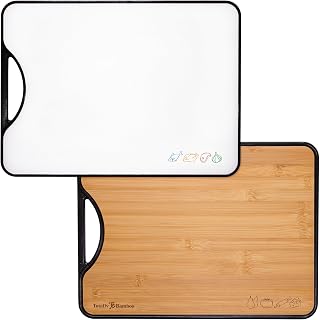
Product overview: A dual-surface board combining bamboo and a BPA-free poly surface. Measures 15″ x 11″ and offers a practical solution for meat and vegetable prep with reduced knife wear on the wood side.
Best for: Small to medium prep stations needing a versatile two-sided board for different prep tasks and easy maintenance.
Why selected: The two materials provide differing surface textures and maintenance profiles, making it easier to separate meat and produce tasks. The board is lightweight for quick shifts during service.
Caution: The bamboo side requires oiling to maintain moisture resistance; wood surfaces can scar with heavy knife work if not properly cared for.
Buying Guide: Key Considerations for Commercial Meat Cutting Boards
- Material and durability: Choose plastic for dishwasher-safe, stain resistance, and knife-friendliness in busy kitchens; wood boards offer a robust carving surface but require maintenance.
- Size and layout: Match board size to prep station workflow. Larger boards support bulk meat processing; smaller boards suit garnish and portioning tasks.
- Dishwasher compatibility: Confirm whether the board is dishwasher safe and the maximum temperature it tolerates to prevent warping or degradation.
- Juice grooves and containment: Grooved edges help keep surfaces clean by channeling juices away from the cutting area, reducing countertop mess.
- HACCP/NSF standards: For commercial use, NSF or equivalent certification indicates compliance with food-safety standards and sanitation requirements.
- Maintenance needs: Wood boards require oiling and drying; plastic boards may need periodic resurfacing or replacement after deep grooves develop.
- Knife-friendliness: Copolymer formulations and high-density plastics reduce dulling; consider boards with smooth, non-porous surfaces for longer blade life.
- Cross-contamination controls: If using boards for both meat and produce, consider color-coding or dual-surface boards to minimize cross-contact risks.
Frequently Asked Questions
- What material is best for heavy meat cutting in a restaurant? Answer: High-density plastic boards are often best for heavy meat prep due to durability, dishwasher safety, and knife-friendliness.
- Should I use wood boards for commercial meat prep? Answer: Wood boards offer a sturdy carving surface but require regular oiling and drying to maintain hygiene and prevent warping.
- Are NSF-stamped boards necessary? Answer: NSF certification indicates adherence to sanitation and safety standards, which is helpful for professional kitchens and health inspections.
- How do I prevent knife dulling on boards? Answer: Look for boards with copolymer formulations or dense HDPE plastic designed to minimize dulling during cutting.
- Is a grooves feature important for meat prep? Answer: Yes, juice grooves help contain liquids, keeping work surfaces cleaner and reducing slips during carving.
- Can I use any board for charcuterie displays? Answer: A board with an attractive finish and stable cutting surface works well; plastic boards are easy to sanitize, while wooden boards add a classic look.