Clay bread baking pans offer even heat, natural moisture, and distinctive crusts that appeal to serious bakers and beginners alike. This guide highlights five top clay- and ceramic-leaning options, focusing on bake quality, safety, and ease of use. The best pick depends on your goals: moisture retention and rustic texture with clay roasters; non-absorbent performance for busy kitchens; traditional humidity control for artisan loaves; or modern enamelled cast iron for versatility. The quick comparison table below helps you choose at a glance.
| Product | Best For | |
|---|---|---|
| Eurita Clay Roaster | Home cooks who want steam-assisted baking | Natural clay, steam blanket from unglazed lid |
| Ohio Stoneware Loaf Pan | Non-absorbent, easy-care loaf baking | Vitrified stoneware, high-heat durability |
| Römertopf Pane Clay Bread Form | Humidity-controlled baking for moist loaves | Water-retaining bread form for correct humidity |
| Nuovva Enamelled Cast Iron Loaf Pot | Modern option with durable enamel and flat loaf shape | Rectangular enamelled cast iron, non-stick surface |
| AILITOR Cast Iron Loaf Pan | Budget-friendly, two-piece set for quick breads | Cast iron with lid, reliable heat retention |
With the right pan, every bake delivers a crisp crust, a tender crumb, and predictable results. Consider the oven safety, material care, and whether you prefer a hands-off or moisture-rich baking experience. The following sections examine each product in detail to help you decide which pan best fits your bread goals.
Eurita Clay Roaster: Natural Clay, Steam-Driven Baking
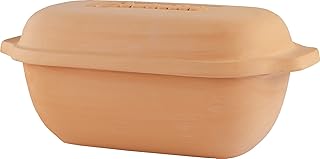
The Eurita Clay Roaster uses all-natural clay material for baking bread and other dishes. It includes a lid designed to trap steam, creating a moisture blanket for the dough during cooking. The bottom is glazed for easier cleaning, while the unglazed lid allows controlled venting of steam. This pan is microwave and oven safe up to 500 degrees F, making it suitable for a wide range of recipes. Best for home cooks who want a traditional, steam-rich bake and enjoy rustic clay aesthetics.
Who it’s best for: bakers seeking moisture retention and a classic clay-baked crust. Why selected: steam-assisted baking can improve oven spring and crust texture in simple recipes. Caution: the lid is not a tight seal, so expect some steam escape and adjust water content accordingly.
Ohio Stoneware Loaf Pan: Non-Absorbing, High-Heat Ready

This loaf pan is crafted in Ohio from vitrified stoneware, fired at high temperatures to deliver durability and a naturally non-absorbent surface. It’s designed to resist sticking and to perform well in both microwave and oven use. The non-porous finish makes cleanup straightforward. Best for: bakers who want a sturdy, easy-care pan that handles frequent use without flavor carryover. Why selected: the stoneware’s heat retention and non-absorbent properties support consistent loaf results. Caution: avoid sudden temperature changes to preserve the glaze integrity over time.
Römertopf Pane Clay Bread Form: Humidity-Rich Baking

Römertopf Pane is a German-made clay bread form that emphasizes humidity to support dough expansion and moist interior crumb. The form is designed to be soaked in warm water before use, enabling the dough to rise gracefully inside the vessel. This approach helps maintain steam during baking and can yield a more oven-sprung loaf with a soft interior. Best for: traditionalists who value a moist crumb and classic artisan texture. Why selected: the humidity-keeping design supports loaf hydration. Caution: requires pre-soak time and careful handling to prevent cracking from thermal shock.
<a href="https://www.amazon.com/sspa/click?ie=UTF8&spc=MToxMDEzMDAyNDc1ODcxMDY1OjE3ODkxNjIxMjY6c3Bfc2VhcmNoX3RoZW1hdGljOjMwMDg2NzY5MDA3MTMwMjo6MDo6&url=%2FDutch-Oven-Sourdough-Bread-Baking%2Fdp%2FB0F7RTQK9Q%2Fref%3Dsxin_15_pa_sp_search_thematic_sspa%3Fcontent-id%3Damzn1.sym.f3ef5b6e-928d-46a7-b777-dc583fd8199d%253Aamzn1.sym.f3ef5b6e-928d-46a7-b777-dc583fd8199d%26cv_ct_cx%3Dclay%2Bbread%2Bbaking%2Bpans%26keywords%3Dclay%2Bbread%2Bbaking%2Bpans%26pd_rd_i%3DB0F7RTQK9Q%26pd_rd_r%3Da35f4dbd-3039-45b8-844b-3c0221ad1700%26pd_rd_w%3DZ7UPB%26pd_rd_wg%3D1uOkM%26pf_rd_p%3Df3ef5b6e-928d-46a7-b777-dc583fd8199d%26pf_rd_r%3D70PAK6SA0BKDXPN83J3W%26qid%3D1789162125%26sbo%3DRZvfv%252F%252FHxDF%252BO5021pAnSA%253D%253D%26sr%3D1-1-6024b2a3-78e4-4fed-8fed-e1613be3bcce-spons%26aref%3DmcfekngA0h%26sp_csd%3Dd2lkZ2V0TmFtZT1zcF9zZWFyY2hfdGhlbWF0aWM%26psc%3D1&aref=mcfekngA0h?tag=counterkinet-20
Note: the full product link is provided for reference; product data and availability can vary. This section highlights the versatile, modern option among clay- and enamel-based loaves. Best for: bakers seeking a robust, non-stick surface with traditional loaf shape. Why selected: enamel and cast-iron combination offers durable heat and easy loaf shaping. Caution: care is required to prevent chipping of enamel over time with heavy use.
<a href="https://www.amazon.com/sspa/click?ie=UTF8&spc=MToxMDEzMDAyNDc1ODcxMDY1OjE3ODkxNjIxMjY6c3Bfc2VhcmNoX3RoZW1hdGljOjMwMDg2NzY5MDA3MTMwMjo6MDo6&url=%2FDutch-Oven-Sourdough-Bread-Baking%2Fdp%2FB0F7RTQK9Q%2Fref%3Dsxin_15_pa_sp_search_thematic_sspa%3Fcontent-id%3Damzn1.sym.f3ef5b6e-928d-46a7-b777-dc583fd8199d%253Aamzn1.sym.f3ef5b6e-928d-46a7-b777-dc583fd8199d%26cv_ct_cx%3Dclay%2Bbread%2Bbaking%2Bpans%26keywords%3Dclay%2Bbread%2Bbaking%2Bpans%26pd_rd_i%3DB0F7RTQK9Q%26pd_rd_r%3Da35f4dbd-3039-45b8-844b-3c0221ad1700%26pd_rd_w%3DZ7UPB%26pd_rd_wg%3D1uOkM%26pf_rd_p%3Df3ef5b6e-928d-46a7-b777-dc583fd8199d%26pf_rd_r%3D70PAK6SA0BKDXPN83J3W%26qid%3D1789162125%26sbo%3DRZvfv%252F%252FHxDF%252BO5021pAnSA%253D%253D%26sr%3D1-1-6024b2a3-78e4-4fed-8fed-e1613be3bcce-spons%26aref%3DmcfekngA0h%26sp_csd%3Dd2lkZ2V0TmFtZT1zcF9zZWFyY2hfdGhlbWF0aWM%26psc%3D1&aref=mcfekngA0h?tag=counterkinet-20
Note: this section highlights the budget-friendly cast iron option with a lid and a two-piece design. Best for: bakers who want sturdy heat retention and a simple loaf shape. Why selected: budget-friendly cast iron can deliver steady heat for even crust formation. Caution: cast iron requires seasoning and careful cleaning to prevent rust and preserve non-stick performance over time.
Buying Guide: Clay Bread Pans Essentials
- Material matters: Natural clay, stoneware, and enamelled cast iron each influence moisture, heat distribution, and cleaning needs. Choose based on crust texture and maintenance willingness.
- Humidity vs. dryness: If you want a moist crumb and distinct oven spring, consider humidity-focused designs like clay roasters or Römertopf-style forms. For crisper crusts with simpler cleanup, stoneware or enamelled cast iron can be better.
- Care and safety: Glazed or enamel interiors reduce sticking and ease cleaning but may require gentle handling. Unglazed clay lids can vent steam differently; follow soaking and preheating guidelines to avoid cracking.
- Size and loaf shape: Rectangular loaf pans optimize uniform slices; round or curved forms may affect loaf height and crust. Confirm oven compatibility and internal dimensions before purchase.
- Care tips: Preheat gradually, avoid thermal shocks, and hand-w wash when possible to extend life. Dry thoroughly to prevent moisture-related issues.
Frequently Asked Questions
- What is the advantage of clay bread pans? – Clay and ceramic pans help retain moisture and produce a rustic crust, often enhancing oven spring in bread dough.
- Are clay loaf pans oven-safe? – Most are designed for oven use; always verify maximum temperature and follow soaking or preheating requirements if present.
- Do I need to soak Römertopf-like forms? – Yes, some models require soaking to create the humidity environment inside the pan for proper steam during baking.
- Can I use enamelled cast iron for bread? – Yes, enamelled cast iron provides durability, non-stick-like surface, and even heat distribution for consistent loaves.
- Which pan is best for beginners? – A durable, easy-care option like stoneware or cast iron with clear cleaning guidance is a practical starter.
- How do I prevent sticking in clay pans? – Preheat appropriately, use a light oil or flour dusting when needed, and follow manufacturer care instructions.