Clear-cut answer: choosing a high-quality cutting board depends on your prep style, budget, and preferred material. For meat-focused prep, the titanium surface board minimizes cross-contamination. For heavy daily chopping, durable wood or thick end-grain boards protect knives and offer stability. For quick, easy cleanup, commercial-grade plastic boards are dishwasher-safe and resilient. Below are five top options, each suited to different cooks and kitchens.
Buyer takeaway summary table (quick comparison):
| Product | Best For | Material | Notes |
|---|---|---|---|
| Titanium Cutting Board | Separate raw/cooked prep | Pure titanium/PP | Odor resistant; easy to clean |
| Thirteen Chefs White Cutting Board | Everyday family meals | HDPP plastic | Dishwasher safe; large surface |
| John Boos R-Board Maple | Premium home cooking | Maple wood | Reversible; edge-grain; USA-made |
| Bevel & Bond Maple End-Grain | Professional-grade home use | Maple end-grain | Extra thick; USA-made |
| Thirteen Chefs HDPE Plastic Board | Restaurant-grade prep | HDPE | NSF approved; dishwasher safe |
Titanium Cutting Board With Separate Surfaces
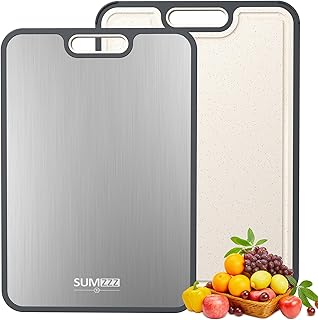
Best for: cooks who prioritize odor resistance and cross-contamination prevention during prep. The double-sided design divides raw meat from fruits and vegetables, helping maintain ingredient organization while cooking.
- Double-sided, separate prep surfaces
- Non-porous titanium surface reduces liquid absorption, odors, and stains
- Smooth, durable surface that resists residue buildup
Why selected: Its titanium-based construction offers long-term durability and easy cleaning, making it suitable for daily kitchen use where hygiene is essential. Caution: titanium boards can be heavier and may require stable surfaces to avoid slipping.
Thirteen Chefs 18×12 White Cutting Board

Best for: households seeking a large, commercial-grade plastic board that’s dishwasher safe and resistant to staining. Prolonged, daily meal prep benefits from its durable HDPP construction.
- Large cutting surface: 18 x 12 inches, 1/2 inch thick
- Commercial-grade plastic, warp resistant, BPA-free
- Dishwasher safe; resistant to slipping on surfaces
Why selected: It offers a balance of size, durability, and ease of cleaning, making it a practical choice for busy kitchens. Caution: plastic boards can develop knife marks over time, which may harbor bacteria if not cleaned properly.
John Boos R-Board Maple Cutting Board

Best for: cooks seeking a premium wooden board with long-term durability and classic aesthetics. Reversible design and edge-grain construction support varied slicing tasks.
- Solid wooden board with reversible sides
- Oil finish and finger grips for stable handling
- Edge-grain construction; available in multiple sizes; USA-made
Why selected: Wood lovers gain a comfortable cutting surface that’s knife-friendly and visually appealing. Caution: wooden boards require regular oiling to prevent drying and cracking.
Maple End-Grain Cutting Board

Best for: serious home chefs who value knife-friendly performance and a solid, heavy board. Extra thickness adds stability for heavy-duty chopping and long-term use.
- Made in USA with local woodworkers
- Premium North American hard maple, durable and knife-friendly
- Extra thick end-grain at 1.75 inches for stability
Why selected: End-grain maple offers self-healing properties and enduring performance for fine knives and frequent use. Caution: heavier boards require more storage space and care to avoid warping if not dried after use.
Thirteen Chefs Plastic Cutting Board
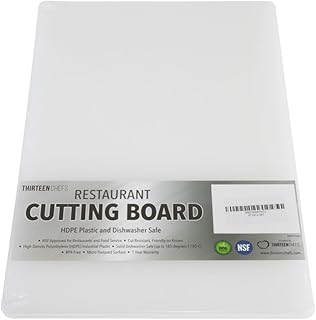
Best for: professional or home kitchens needing a dependable plastic board that’s NSF-listed and dishwasher-friendly. A practical option for multi-use daily prep tasks.
- HDPE material; durable and warp resistant
- NSF approved for food service use
- Dishwasher safe; large 18 x 12 inch surface
Why selected: It combines size, cleanliness, and restaurant-grade assurances suitable for busy kitchens. Caution: heavy use on serrated knives can leave grooves that may trap residue if not cleaned thoroughly.
Buying Guide: Key Considerations For A Chef-Quality Cutting Board
- Material choice: Wood vs. plastic vs. metal-backed surfaces each have knife-friendliness, maintenance, and hygiene implications. Wood is gentle on knives but requires oiling. Plastic is dishwasher-safe and easy to sanitize but may scar over time. Titanium or metal surfaces can excel in odor resistance but may be heavier.
- Board thickness and size: Larger boards provide more surface area but require more storage. Thicker boards offer stability and long-term durability, especially for heavy chopping.
- Surface design: Double-sided boards help with cross-contamination control. End-grain boards tend to be more resilient and self-healing, while edge-grain boards are typically more economical.
- Maintenance routine: Wood boards need regular oiling and hand washing. Plastic boards are dishwasher-safe but can show knife marks. Be mindful of heat exposure on plastic and wood surfaces.
- Safety and stability: Look for non-slip feet or grip features to prevent movement. A stable board reduces accidents in busy kitchens.
- Intended use: Separate raw vs. cooked prep, bread slicing, fruit and vegetable prep, or heavy meat preparation—match the board to your primary tasks.
- Budget and longevity: Premium wood options offer longevity with proper care, while plastic boards provide affordability and convenience for everyday use.
FAQ
- What cutting board material is safest for raw meat? A: A dedicated board for raw meat, preferably with non-porous or sealed surfaces, and kept separate from other boards to avoid cross-contamination.
- Are wooden boards better for knives than plastic boards? A: Yes, wood is typically gentler on knives, helping to preserve edge life, though it requires maintenance like oiling.
- Can I put any cutting board in the dishwasher? A: Most plastic boards are dishwasher safe, but wooden boards should not be fully submerged or placed in a dishwasher; hand wash and dry thoroughly.
- How thick should a heavy-use cutting board be? A: Thicker boards (around 1.5 to 2 inches) offer more stability and durability for frequent chopping.
- Is end-grain wood better than edge-grain? A: End-grain boards are generally more durable and knife-friendly, but can be more expensive and heavier than edge-grain boards.
- Do I need a non-slip base on a cutting board? A: Yes, non-slip feet or a backing helps prevent movement and reduces accidents during preparation.